
Journal · Interior design and decoration · Português
Bespoke furniture: making an informed choice
Function, proportion and integration: the considerations that guide bespoke furniture design and its combination with ready-made pieces.
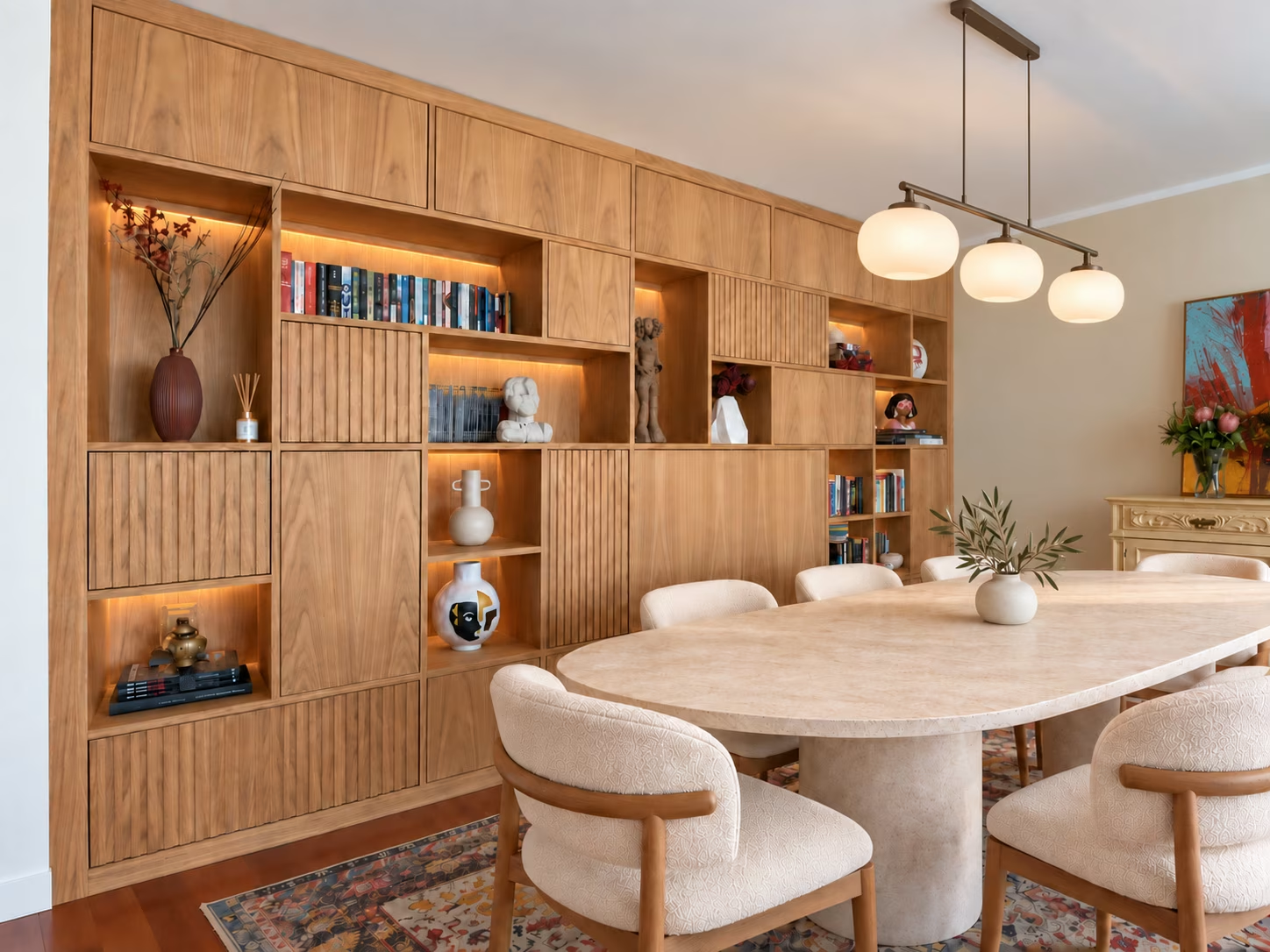
Bespoke furniture offers a specific response to the characteristics of a space and the needs of those who use it. Its value depends on the relationship between function, proportion, materials and investment.
Within an interior design project, this choice should follow an assessment of the whole space. In some situations, a piece designed for its setting is central to organising the room; in others, carefully selected ready-made furniture provides an equally suitable solution.
Dimensions and proportion
Walls with unusual widths, recesses or circulation areas can limit the options available. Bespoke design allows width, height and depth to be considered together, taking account of movement, door openings and the position of other furniture.
Proportion also has a visual dimension. The distribution of volumes, the balance between open and closed storage, and the space around a piece all influence how a room feels. Making use of the available area should remain compatible with comfort and a balanced composition.
Storage designed around use
Internal organisation should start with practical needs. Books, tableware, documents and equipment require different dimensions and access arrangements. Identifying what will be stored helps determine the layout of shelves, doors and drawers before finishes are selected.
Open niches highlight particular objects and introduce rhythm into the composition; closed compartments keep everyday items more discreetly. The balance between them should reflect the users’ habits and make daily use straightforward.
A shelving unit in a Porto living space
For a living and dining room in Porto, developed in 2025, BORAGUI designed a bespoke shelving unit and selected the remaining furniture.
The unit combines closed storage with niches for books and objects, forming a backdrop to the dining area. The other pieces continue the room’s visual language through the relationship between wood, light tones and soft textures.
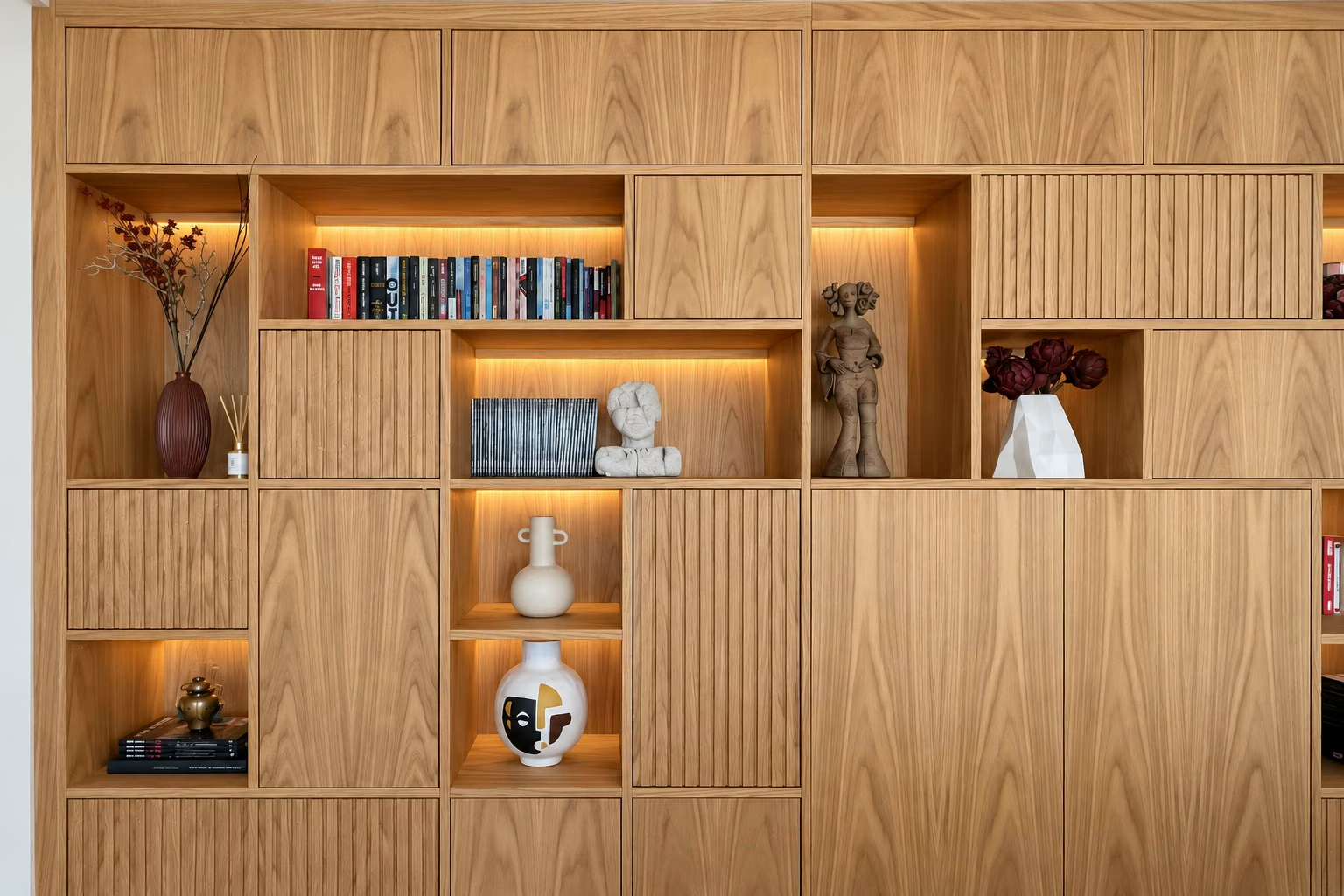
The project shows how a specific piece can guide the overall composition. Bespoke work focuses on one central element, complemented by the selection of the surrounding furniture.
Materials and detailing
Material specifications should take account of intended use, maintenance and the relationship with existing finishes. The structure, fronts and working surfaces may have different requirements, which should be identified in the proposal.
Hardware, opening mechanisms and construction details affect both use and cost. Where lighting or equipment is integrated, cable routes, maintenance access and coordination with the professionals responsible for technical installations need to be considered.
Finishes should be assessed in relation to the room’s light and nearby materials. Wherever possible, examining samples helps clarify colour, texture and sheen. This stage supports a considered choice and confirms how the different elements work together before the final design is approved for production.
Combining bespoke and ready-made furniture
A ready-made piece can fully meet a project’s requirements when it offers the right dimensions, function and character. Freestanding elements such as armchairs, side tables and sideboards also offer flexibility if the layout changes in the future.
Combining both approaches allows investment to focus on the areas where adaptation adds the most value. Product availability and the time required for design, approval, manufacture and installation should also inform the decision.
Defining the investment
Visually similar pieces may involve different specifications and scopes of supply. Comparing proposals requires clarity about what is included:
- Dimensions, configuration and internal organisation.
- Materials, finishes and hardware.
- Design and production documentation.
- Transport, installation and related work.
- Timescales and conditions for production approval.
Final measurements and specifications should be confirmed before manufacture. If the investment needs adjusting, it may be appropriate to simplify the composition or reserve bespoke design for the elements where it makes the greatest difference.
A decision guided by the space
At BORAGUI, furniture design is developed in relation to the interior as a whole. Proportion, use and coordination with the other pieces guide the proposal, which may combine bespoke solutions with selected ready-made furniture.
Explore our bespoke furniture service or contact us to discuss your project.